Chiropractor specializing in scoliosis in Paris: specialized care for children and adults
Book an appointmentYes, a chiropractor can manage scoliosis by improving spinal mobility, reducing associated pain, and slowing curve progression in children and adolescents. Chiropractic care complements orthopaedic monitoring.
Scoliosis is a three-dimensional curvature of the spine that affects 2 to 3% of the population, with a peak in detection during adolescence. In France, school screenings identify thousands of cases each year requiring monitoring and appropriate treatment.
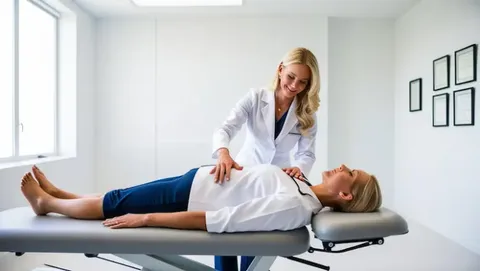
Chiropractic plays a complementary role in the management of scoliosis by improving spinal mobility, reducing associated pain, and optimizing neuromuscular function. At the Sophie Baltaci Chiropractor practice in Paris's 2nd arrondissement, we support scoliosis patients of all ages with protocols tailored to each stage of the condition.
Scoliosis can worsen the back pain and requires specialized monitoring by the children and teenagers.
Need an appointment?
Appointments available within 24h. Relief from the first session.
★ 5.0/5 · 164 reviews on Google
Signs and symptoms of scoliosis
Scoliosis manifests itself through visible signs and functional symptoms that vary according to age and severity.
Body asymmetry
Unequal shoulder height, misaligned pelvis, visible hump when bending forward (Adams test), asymmetrical waist creases. These signs are often noticed by parents, those around them, or during school assessments.
Spinal pain
Back and lumbar pain, especially in adults. Scoliosis alters the distribution of weight on the vertebrae and discs, creating areas of overload that become painful over time. Asymmetrical muscle fatigue is also common.
Functional limitation
Reduced spinal flexibility, difficulty in certain sports activities, and respiratory problems in severe scoliosis (reduced lung capacity) are all consequences of body asymmetry. In adolescents, the psychological impact of body asymmetry should not be overlooked.
Types and causes of scoliosis
Understanding the type of scoliosis is essential to tailoring chiropractic treatment.
Idiopathic scoliosis
80% of scoliosis cases are idiopathic (cause unknown), with a probable genetic component. It develops primarily during growth (adolescent scoliosis) and affects girls more often. Progression is monitored by measuring the Cobb angle on X-rays.
Functional and degenerative scoliosis
Functional scoliosis results from muscle imbalance, leg length discrepancy, or muscle contractures. Degenerative scoliosis appears in adults due to asymmetrical wear and tear of the discs and facet joints. Both forms respond particularly well to chiropractic treatment.
Chiropractic approach to scoliosis
Chiropractic does not claim to cure structural scoliosis, but significantly improves the quality of life of scoliosis patients.
Targeted spinal adjustments
Specific adjustments of hypomobile vertebral segments in the scoliotic curve are made to restore segmental mobility and reduce compensations. The technique is adapted to the patient's age: very gentle in children, more direct in adults.
Muscular and postural balancing
Work on the muscular imbalances characteristic of scoliosis: shortened muscles on the concave side, stretched and weakened muscles on the convex side. Specific postural rehabilitation to improve body awareness and alignment.
Surveillance and prevention
Regular monitoring of growing adolescents to detect any progression. In adults, prevention of accelerated degeneration through maintenance of mobility and muscle strength. Coordination with other healthcare professionals (physician, orthopedist) if necessary.
Procedure for the care
Initial complete assessment
A detailed postural examination, Adams test, asymmetry measurement, and neurological and functional assessment are performed. Analysis of your X-rays (or prescription if necessary) allows us to quantify the curvature and determine the stage of bone maturation in adolescents.
Personalized protocol
The treatment plan is tailored to your type of scoliosis, your age, and your goals. For adolescents: active monitoring with adjustments and exercises. For adults: pain management, maintaining mobility, and preventing further progression.
Results and benefits
Studies show that chiropractic management of scoliosis improves spinal mobility, reduces associated pain, and enhances quality of life. In adolescents, regular monitoring allows for the early detection of any progression and referral for orthopedic treatment (brace) if the Cobb angle exceeds critical thresholds. Chiropractic care is an integral part of a multidisciplinary approach to scoliosis.
When should you consult a doctor for scoliosis?
- Visible asymmetry of the shoulders or pelvis
- Dorsal hump (gibbus) appearing in forward flexion
- Recurrent back pain in an adolescent
- Scoliosis diagnosed requiring further monitoring
- Back pain related to known scoliosis in adults
- Desire to optimize posture and mobility despite scoliosis
Need an appointment?
Appointments available within 24h. Relief from the first session.
★ 5.0/5 · 164 reviews on Google
Frequently Asked Questions about Scoliosis and Chiropractic
Can a chiropractor correct scoliosis?
At what age should I consult a chiropractor for scoliosis?
Does chiropractic replace orthopedic corsets?
Which sports are recommended for people with scoliosis?
Can scoliosis worsen in adulthood?
Does scoliosis necessarily cause pain?
How is the follow-up of a scoliotic adolescent carried out?
What exercises can I do at home for scoliosis?

Reviewed by Sophie Baltaci, Chiropractor
IFEC Graduate, RPPS No. 10010348356
Member of the French Chiropractic Association
Learn more about our team →
Expert support for your scoliosis
Scoliosis requires careful monitoring and tailored support. At Sophie Baltaci Chiropractor's office in Paris's 2nd arrondissement, we offer personalized care to improve your mobility, reduce your pain, and optimize your quality of life. Schedule an appointment for a comprehensive assessment.
The information on this site does not replace a medical consultation. For any health concern, consult a qualified healthcare professional.
★★★★★ 5.0/5 · 164 reviews on Google
Book an appointment