Chiropractor for Teenagers in Paris: Posture, Scoliosis and Sports
Book an appointmentAdolescence is a period of intense growth when the body transforms rapidly. A chiropractor trained in adolescent care can screen for and manage postural disorders, scoliosis, back pain and sports injuries, using gentle techniques adapted to this age group.
Between 12 and 18, the body undergoes major changes: growth spurts, hormonal shifts, new academic and athletic demands. These transformations can reveal or worsen musculoskeletal imbalances that, without treatment, may persist into adulthood.
At our practice, Sophie Baltaci welcomes teenagers and their parents in a caring environment. Each consultation begins with a thorough discussion to understand the teen's daily life: screen time, sports activities, school bag habits, sleep quality. This attentive listening allows us to provide truly personalised care.
Our dedicated page for children covers younger patients. For specific conditions, see our pages on scoliosis and back pain.
Need an appointment?
Appointments available within 24h. Relief from the first session.
★ 5.0/5 · 164 reviews on Google
Why see a chiropractor for a teenager?
Puberty is one of the most critical periods for the spine. The body grows quickly, sometimes 10 cm in a single year, and the muscles struggle to keep up. This is often when postural imbalances take hold.
Growth under close watch
During puberty, bones grow faster than muscles and ligaments. This mismatch creates tension that manifests as back pain, stiffness or compensatory postures. The chiropractor identifies these tensions and corrects them before they become permanent. Sophie Baltaci, an IFEC graduate and AFC member, uses manual techniques adapted to the flexibility and relative fragility of growing structures.
Prevention and early screening
A chiropractic assessment during adolescence can detect problems like scoliosis before they progress. The earlier an imbalance is detected, the better the chances of correcting it or limiting its development. We work in collaboration with GPs and specialists when necessary.
When should you consult?
- Your teen complains of back, neck or shoulder pain
- You notice asymmetry in the shoulders or pelvis
- They spend more than 3 hours a day in front of a screen
- After a sports injury or impact (fall, collision)
Common problems in teenagers
Certain conditions are particularly common between ages 12 and 18. The good news is that they respond well to chiropractic care when treated early enough.
Scoliosis and spinal deviations
Scoliosis affects approximately 3% of adolescents, predominantly girls. It often develops during the pubertal growth spurt, between ages 10 and 16. The chiropractor performs precise screening (Adams test, gibbus evaluation, Cobb angle measurement if X-rays are available) and provides support to improve spinal mobility and limit curve progression.
Learn more on our dedicated Scoliosis.
Poor posture and screen impact
Teenagers spend an average of 7 hours daily in front of screens (phone, computer, tablet). This prolonged exposure promotes "text neck" (forward head posture), cervical pain and tension between the shoulder blades. The chiropractor corrects established imbalances and teaches proper postural habits for daily life.
Also see our guide on computer posture.
Adolescent back pain
Back pain is no longer reserved for adults. A recent study shows that 40% of teenagers experience back pain at least once a year. The causes are multiple: school bags that are too heavy (often exceeding 10% of body weight), prolonged sitting in class, lack of physical activity, or conversely, athletic overtraining. Chiropractic care treats both the pain and its underlying causes.
Find our advice on the back pain.
Sports injuries in teens
Football, dance, gymnastics, basketball, rugby: athletic teenagers push their growing bodies hard. The most common injuries involve sprains, insertion tendinopathies (Osgood-Schlatter disease, Sever's disease), lower back pain and muscle tension. The chiropractor supports recovery and helps prevent recurrence through joint mobility and muscular balance work.
Discover our care for Sports.
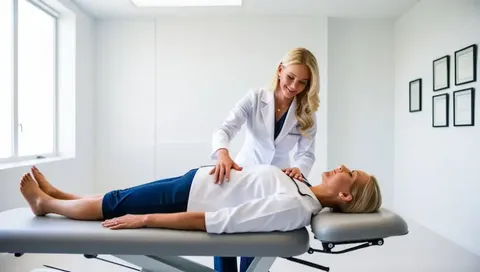
How does a chiropractic session for a teenager work?
The first consultation lasts approximately 45 minutes. Follow-up sessions last between 20 and 30 minutes. The teenager can come alone or with a parent.
The consultation and assessment
Sophie Baltaci begins with a discussion with the teenager (and their parents if present) to understand their pain, lifestyle, sports activities and postural habits. She reviews the health record and any additional examinations (X-rays, MRI). Then she performs a complete physical examination: posture evaluation, mobility tests, and neurological and orthopaedic assessments.
Chiropractic adjustments
The techniques used for teenagers are gentle and precise. They include spinal adjustments, joint mobilisations, soft tissue work (muscles, fascia) and postural rehabilitation exercises. Each movement is explained before being performed, so the teen feels confident and at ease.
Personalised advice and exercises
At the end of each session, Sophie provides practical advice: workstation setup, school bag selection, stretches suited to their sport, screen time management. These recommendations are an integral part of treatment and empower the teenager to take charge of their own health.
Adolescent scoliosis: screening and chiropractic support
Adolescent idiopathic scoliosis (AIS) is the most common form of scoliosis. It typically appears between ages 10 and 16 and progresses mainly during the growth spurt. Early screening is essential to establish appropriate follow-up.
In-office screening
The Adams forward bend test is the primary screening tool. It detects a rib hump, the hallmark of structural scoliosis. If scoliosis is suspected, Sophie Baltaci refers for X-rays to measure the Cobb angle and assess bone maturity (Risser index). This comprehensive assessment helps determine the most appropriate management strategy.
Chiropractic support for scoliosis
Chiropractic care cannot cure structural scoliosis, but it plays an important supporting role. By improving spinal mobility, reducing asymmetric muscle tension and optimising overall posture, it contributes to the teenager's comfort and may help limit curve progression. For severe scoliosis, we work as a team with the orthopaedist and physiotherapist.
Warning signs for parents
- One shoulder higher than the other
- Asymmetric pelvis or one leg appearing shorter
- A visible hump in the back when the teen bends forward
- Clothing that hangs unevenly
Posture and screens: the impact on teenagers' backs
Screens are part of teens' daily lives. The goal is not to eliminate them, but to learn how to use them without damaging the spine.
The "text neck" syndrome
When the head is tilted at 60 degrees to look at a phone, the load on the cervical spine increases from 5 kg (neutral position) to approximately 27 kg. Repeated for several hours daily, this posture causes chronic neck pain, headaches and loss of natural cervical lordosis. In a growing teenager, these effects are particularly concerning as the spine is still malleable.
Practical solutions for teens
During consultations, Sophie Baltaci provides adjustments to correct accumulated tension and simple cervical strengthening exercises to do at home. She also teaches postural habits: holding the phone at eye level, taking regular breaks (20-20-20 rule), and properly setting up the workstation for homework.
To learn more, see our page on neck pain.
Chiropractor for teen athletes in Paris
A teenage athlete puts significant demands on a growing body. Chiropractic care helps optimise performance and prevent injuries.
Why teen athletes need regular care
During growth, tendon insertion points on bones (apophyses) are particularly vulnerable. This is why teenage athletes develop specific conditions like Osgood-Schlatter disease (knee) or Sever's disease (heel). The chiropractor works on overall body balance to reduce mechanical stress on these fragile areas and speed up recovery.
Sports covered
- Running and impact sports: football, basketball, rugby, athletics
- Rotational sports: tennis, golf, dance
- Flexibility sports: gymnastics, martial arts
- Load-bearing sports: weight training, climbing
Need an appointment?
Appointments available within 24h. Relief from the first session.
★ 5.0/5 · 164 reviews on Google
Frequently asked questions about chiropractic for teenagers
At what age can a teenager see a chiropractor?
Are chiropractic adjustments painful for a teenager?
How many sessions does a teenager need?
Do you need a referral to see a chiropractor?
Can chiropractic correct scoliosis in a teenager?
Is chiropractic care for teenagers covered by insurance?
My teen has back pain from their school bag. What can be done?
How do I book an appointment for my teenager?

Reviewed by Sophie Baltaci, Chiropractor
IFEC Graduate, RPPS No. 10010348356
Member of the French Chiropractic Association
Learn more about our team →
See also
Children
Gentle pediatric chiropractic for children and adolescents.
Scoliosis
Chiropractic monitoring of scoliosis in children and adults.
Back pain
Chiropractic diagnosis and treatment of back and lumbar pain.
Sports
Sports chiropractic: prevention, recovery and performance.
Computer Posture
Correct posture problems related to screen work with our chiropractor.
Support your teenager's growth
Adolescence is a unique window of opportunity to correct postural imbalances and lay the foundations for a healthy spine in adulthood. Do not wait for pain to set in. Book a comprehensive, personalised assessment today.
The information on this site does not replace a medical consultation. For any health concern, consult a qualified healthcare professional.
★★★★★ 5.0/5 · 164 reviews on Google
Book an appointment